
MEET KELLY
The Companies
That Built Me
One business, one reinvention, one risk, and one hard-earned lesson at a time.

1. A Little About Me
Any story worth reading starts with a free moment in time, a desire to get something from it, and often a good beverage.
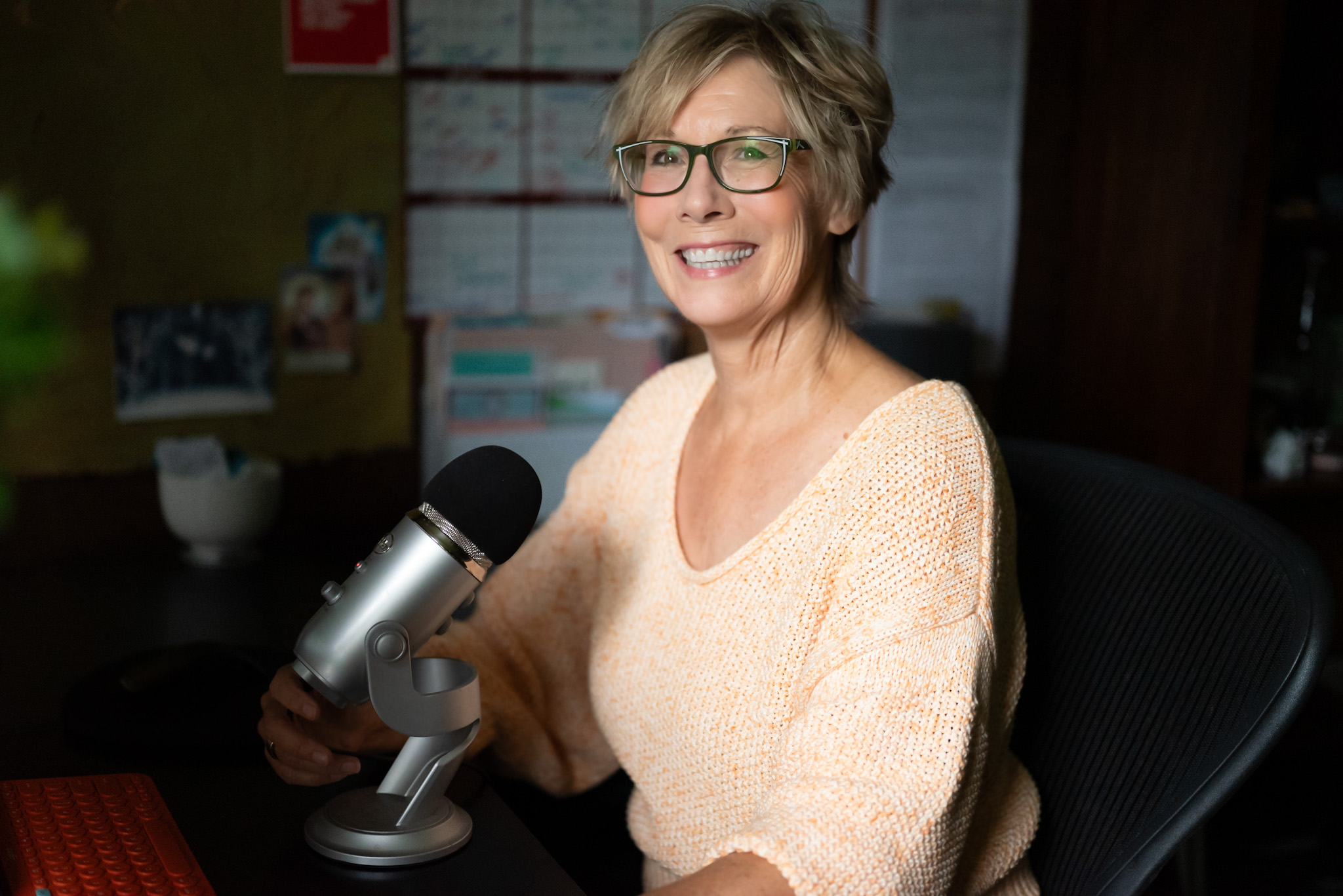
So before I get into the businesses, there's probably one thing you should know about me: I love marketing. I really do. I love connecting people with the companies, products and ideas they need, especially when that connection can genuinely be life changing for them. It's my calling.
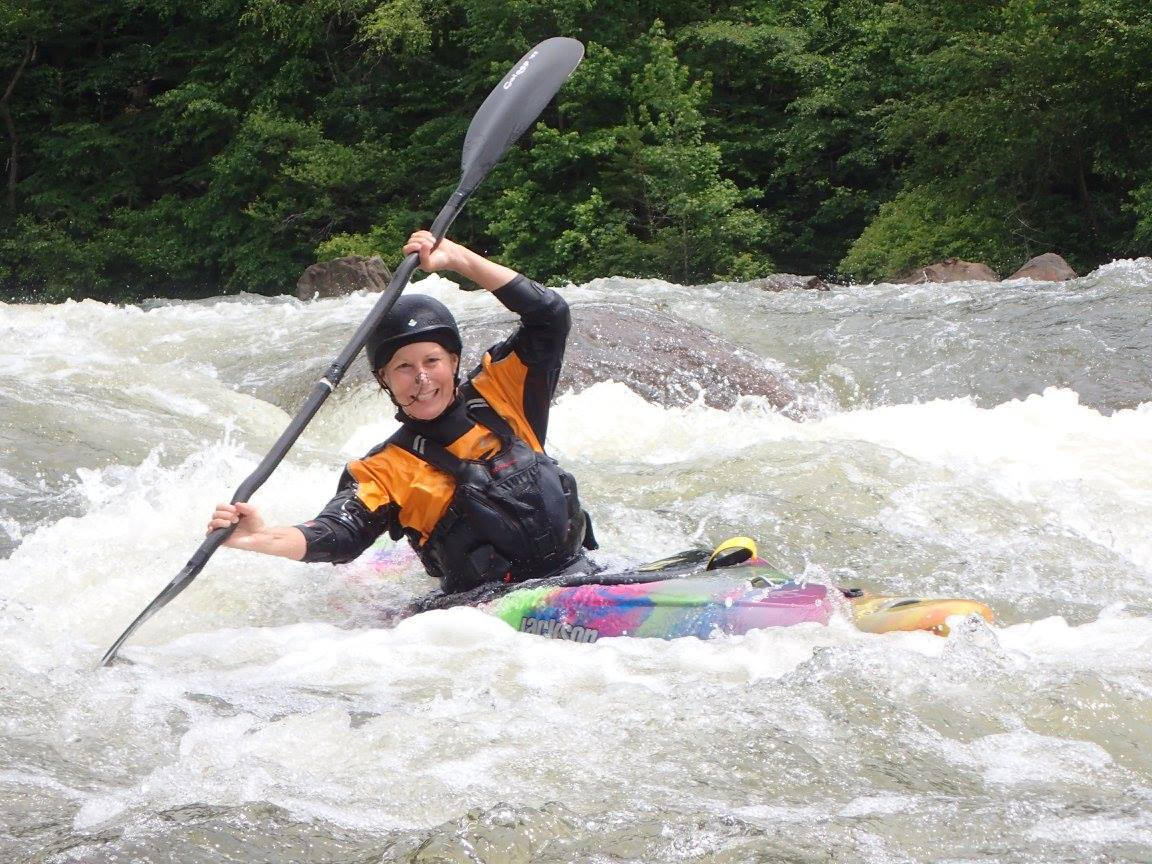
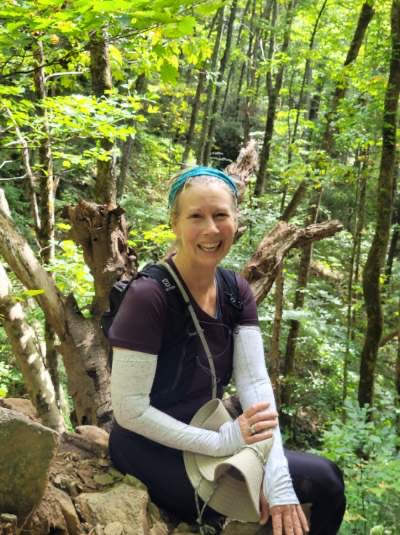
And, just so I don't come across as completely one-dimensional, I also love animals, hiking, kayaking (especially whitewater), and pretty much any body of water from seas to rivers to lakes to tubs. :) I've traveled extensively, and I can be packed and ready to leave in 20 minutes flat. I've been timed. I live in Texas, but my heart lives in a few other places.
That's enough backstory. Let's talk about the businesses.
Steve Jobs said, “You can't connect the dots looking forward, only backward.” That's exactly how my life feels. I certainly didn't build my career in a straight line. It was more one business, one reinvention, one risk, and one hard-earned lesson at a time.
If you had told me when I was 16, standing behind a little fruit stand, that one day I'd build and sell companies, grow a membership business to 1,000 members, write books, host a podcast, create retreats and run marketing for other businesses, I would never have believed you. But looking back? The dots connect beautifully.
2. The Fruit Stand
My first business was a fruit stand in the Texas summer heat. It only lasted one summer, but I learned a shocking amount from it — about people, selling, getting attention, and working with employees (even if they were my little brother and his best friend Lars).
That fruit stand may have been temporary, but much of what I learned stayed with me, including that when the Health Department says you need a permit, they really are serious. Who knew? Not me.
3. Howard Yacht Service
After the fruit stand came Howard Yacht Service. More sweat, more really awesome employees, and some truly unexpected competition. That business taught me how to stand out in a crowded market, attract clients, get serious about details, work smarter (not just harder), and pivot when you have a big payroll and suddenly no business.
At one point, a hurricane came through Houston and wiped out my ability to work. Boats were destroyed or stuck in the shipyard. I had employees depending on me, and suddenly I had to figure out how to keep going when the original path disappeared. Oh my.
Plus, there was that unexpected competition, too. Someday I'll share that story over a really big beverage. It was a doozy.
I didn't fully understand it at the time, but eventually I learned that you need to build a business with value beyond yourself. Build it so it can be sold. And when that competitor who had tried to go head-to-head with me ended up making me an offer, I was ready.
What this taught me: build the business so it doesn't depend entirely on you — that's what makes it sellable, and what lets you keep standing when the ground shifts under you.
That sale opened the door to my next chapter: running marketing for a brand-new marina development.
4. Selling a Hole in the Water
That business taught me one of the most fun marketing lessons of my life: how do you sell a hole in the water?
The man who owned that company was a wonderful human and a brilliant marketer. I learned so much from him about events, community, buzz, and doing things so out-of-the-box that people can't help but stop and notice.
One day, while we were driving back from picking up supplies for an event, we saw a truck loaded with watermelons on the side of the road. He said, “That's it. Let's buy the whole truckload.” I remember laughing and thinking, Who spends $80,000 on a slip and gets a watermelon? But he understood something I never forgot. People remember experiences. They remember fun. They remember when they laugh. That company was a masterclass in creating community and making marketing feel alive.
What this taught me: the unexpected, slightly odd gesture is often what people remember and talk about, long after the polished ad is forgotten.
Eventually, all the slips were sold and I was ready to become a marketing consultant. Kinda.
5. Becoming a Marketing Consultant
I was young, but companies were hiring me to help them create marketing plans and think through what was called guerrilla marketing at the time.
And that's where I learned a lesson that still applies today: a good strategy plan is never enough. You can hand somebody a brilliant marketing plan (strategy, ideas, tactics and direction) and they'll still put it in a drawer and say, “I'll get to that when I have time.” Some things never change.
Today, people can ask AI for a marketing plan in thirty seconds and get pages of ideas. But information has never been the real problem. The real problem is taking action.
So I decided to take action on something I'd always wanted to do: write a book.
6. Single Smart
Ever since I was a kid, I wanted to be a writer. So I dug in and wrote one: Single Smart. This was before print-on-demand, before email marketing, before the internet became part of daily life. I printed 20,000 copies. Yes, really. I'm nothing if not positive!
And then came the very important question: how in the world was I going to sell all those books? That answer led me straight into one of the biggest fears of my life: public speaking.
I was terrified. Truly terrified. So I joined Toastmasters. The day of my first speech, I woke up covered in hives from the top of my head to the bottom of my feet. I have never had hives before or since. That's how scared I was.
And the funny part? My speech was about being afraid of public speaking. I got up in front of the crowd and delivered that icebreaker. I got great scores on everything except the topic — because they didn't think it was believable. No one but me knew the fear was real.
But I kept speaking. I spoke at churches, hospitals, conferences and events. I got good at it, and eventually I started loving it. I'd walk in with books and walk out sold out.
What this taught me: speaking could build trust, visibility and sales, and sometimes the thing you're most afraid of is sitting right on the other side of your growth.
At the time, I was also terrified of heights. So I decided, what the hell, let's go skydiving. The first jump was terrifying — I thought I was having a heart attack on the way down. Then the parachute opened, and oddly enough, I found the rest of the trip down kind of boring. After that, I started making a habit of doing things that scared me. I do believe that the more you challenge yourself, the better you get at most of life.
After Single Smart, I sold almost all of those copies I had printed, and I turned that idea into a company called Single Source.
7. Single Source
This was when the internet was just beginning to show up in homes. Match.com had just come on the scene. What I noticed was that people were meeting online, but often nowhere near where they actually lived, and there was a lot of trepidation around who they were meeting.
So I had a thought: what if we created a local site for single people to meet, paired with local events in real life? Today that sounds normal. Back then, it wasn't. We built a true online/offline hybrid before that kind of thing was common. And when I say built, I mean really built: websites cost a fortune and had to be custom-coded from scratch.
My main developer was a teenage genius. I remember showing up at his house and realizing he was still living with his parents. In his room, sitting on the bottom bunk of a bunk bed with Beanie Babies lined up above us, we designed the first site of its kind. It was a different time.
I started with almost nothing: no list, software or automations. This was like the Dark Ages. By the time I sold that company, the email list had grown to more than 25,000. It was profitable, we'd made hundreds of connections and friendships for people, and it was my first subscription model. I was hooked.
Then I expanded into another offer, a VIP experience called Eight Friends Out, where small matched groups would have dinner together. Later, I bought a magazine tied to the niche. That whole season taught me about offers, upsells, recurring revenue, niche audiences, events, publishing and creating an ecosystem around an idea.
What this taught me: a subscription model doesn't need fancy tools to work. It needs a real problem, a community around it, and a willingness to build the thing before anyone else believes in it.
Eventually, a man out of Dallas approached me about buying my company and bringing me into a larger venture. That became True Beginnings.
8. True Beginnings
It was bigger, broader and national. We built events in cities around the country, created experiences and experimented with all kinds of outreach.
But eventually he and I hit a point where we no longer aligned. He wanted to take the company in a direction that felt more like a hookup brand. That wasn't me, and it wasn't what I wanted to build. So when we parted ways, I came back to Houston with a big payout in my bank and started looking at what was next.
What this taught me: growth is only worth chasing if it's still the thing you actually want to build. Knowing when to walk away matters as much as knowing when to say yes.
9. Bayou City Outdoors
I had been helping the owner with marketing for years because I loved the business: outdoor adventure meets social connection, one of the coolest business models I'd ever seen.
Then one day he called and asked me to meet for coffee. He told me he had met someone through my old company, they were getting married, and he was going to have to shut the company down. Before I even had time to think, I said, “I'll buy it.”
At the time, Bayou City Outdoors had 68 members with 5 to 7 events on the calendar each month. Then I sent my first email to introduce myself, and about 40 people canceled because they had forgotten they were even paying. Suddenly I had about 25 members left. Not exactly the grand entrance I'd imagined.
So I dove into the marketing. My first goal was to get to 100 members, and it took some crazy creativity, grit, partnerships, events, PR and a willingness to work and be seen. At one point I got Outside Magazine to donate cases of magazines. We wrapped them in tissue paper in our company colors, tied on invitations and Milk-Bones, and put them on cars around Memorial Park to promote a dog party.
We got so much attention, most of it good, and media coverage that led to a lot more media for several years.
Kayak polo in the local pool until we got kicked out for being too wild. Check. Dog painting parties for charity. Check. Bike rides to farmers markets, graffiti rides (looking, not doing). The list of events went on and on until the calendar was sporting 100+ events a month. We did booths, partnerships, and found our people where they already were.
We also learned to grow with our audience. We weren't a dog event company, but almost everyone loved dogs. We started as an outdoor adventure and social company, and eventually our people wanted to travel, so we became a travel company too.
That company taught me PR, local marketing, community-building, partnerships, recurring revenue, referrals and leadership at an entirely new level. It also taught me about protecting culture. In membership businesses especially, a few bad apples can spoil the whole barrel. I learned to deal with problems early, even when it hurt, even when I needed the revenue, and even when it would have been easier to avoid it. I also learned how much the people in our businesses matter — I couldn't run that business alone, and I learned how important it is to take care of the people helping you build the thing.
Bayou City Outdoors started as the smallest company in a loose network of similar businesses in Texas. By the end, not to brag, but we were five times the size of the others. We grew it to 1,000 members, and it was an incredibly profitable company.
What this taught me: just because you're good at building something doesn't mean you want to run it forever. And protecting your culture, even when it costs you short-term revenue, is what lets a community actually last.
So I prepared it to sell. I groomed someone to take it over, and when the time came, it was a good sale for me and a good purchase for her. It was time to slow down. Instead, I started a fitness business.
10. Fit Is Freedom
Fit Is Freedom was coaching, accountability, community, adventure, travel and fitness for women who wanted to be strong, consistent and free. And I loved it.
I had a podcast with more than 250 episodes. I wrote another book, FIT: Active & Ageless for Life. We did retreats, events, speaking, webinars, partnerships and guest outreach. I built a real brand and made incredible friendships. Women met each other through that company and are still friends today.
But I intentionally chose not to build it as a subscription-first model. When an accident took me out of working consistently for a long stretch, that decision caught up with me. I didn't have the recurring revenue foundation to carry the business through that season. Eventually, I had to shut it down. That was hard.
What this taught me: even a business you love and run well needs a recurring revenue foundation underneath it. Without it, one hard season is enough to take the whole thing down.
But it also brought me back to something I've loved all along: marketing. Helping people get seen. Helping businesses grow. Helping founders figure out what works for them. Helping people stop forcing themselves into marketing that doesn't fit who they are.
11. Why This Matters to You
Here's what I've learned: there is no single right way to build or market a business. Some people love being on stage. Some love video. Some want to write. Some want partnerships. Some want quiet authority. Some want community. Some want one powerful channel instead of ten noisy ones. That's okay.
I've built businesses from scratch, bought businesses, sold businesses, built memberships and subscription models, written books, spoken from stages, built communities and created events. I've figured out how to get attention when nobody knew who I was. I've also watched things fall apart, started over and changed direction. Every time, I learned something I couldn't have learned any other way.
That's what I bring to the work I do today. Not just marketing knowledge. Experience: the kind you get from actually being in it, trying things, getting it wrong, figuring it out, starting again, and eventually learning what is worth doing and what isn't.
When you're in the middle of something, it rarely makes sense. You can't always see what one experience is going to teach you, or where it's going to lead. But eventually, you look back and realize it all mattered: the fruit stand, the yacht service, the marina, consulting, books, speaking, dating sites, events, memberships, podcast, even the flop of a fitness business. None of it was wasted. I'm who I am today because of my story.
And looking backward? The dots connect beautifully.
So nice to meet you.
If any of this sounds familiar (you're building something, you've hit a wall, or you just want an experienced marketing person in your corner), let's talk about what working together could look like.